About — the founder's story

I've built software for over 15 years — and run my own wrap shop since 2021

The day I opened my wrap shop, I went looking for software to run it. All I found was Urable, TintWiz, and OrbisX — and not one worked the way a real shop needs. So I started building my own. Four years, real engineers, and thousands of hours of design later, that's Wrapstart.

Hamza Ishaq
Founder · Owner, YYC Wraps
Calgary, AB
Building Wrapstart since 2021
LinkedIn ↗
Hamza Ishaq, founder of Wrapstart and owner of YYC Wraps
15 yrs
Building enterprise
software in teams
Since 2021
5 years building
Wrapstart
Mar 2026
The day I
launched
3× growth
In my conversions
since launch
2007 – 2014 · The front lines

I didn't start in software. I started on the sales floor — and taught myself to code before "website," "SaaS," and "SEO" were everyday words. For years I sold on the front lines, reading people and closing deals in person. It's where I learned the product is only half of it; the relationship is the rest.

I built websites back when Macromedia Flash ruled the web — hand-coding everything, learning by doing, even going door to door to sell them. Fifteen years on, building enterprise software has been my craft. I've never stopped studying since.

— Enterprise software I've shipped for
WalmartUS$713.2B ATCOC$5.143B SecuritasSEK 155.113B Canadian Pacific RailwayC$15.078B Trilogy EducationNot disclosed Louisiana State UniversityUS$2.477B Arizona State UniversityUS$4.418B Ceridian DayforceUS$1.76B Government of CanadaC$511.0B Government of AlbertaC$82.5B

Fifteen years of building production software for some of the largest organizations on the continent — in addition to the many websites I shipped for small and mid-sized businesses before my software-application career even began.

2021 · What I found when I went looking

Three tools. Not one of them fit.

The day I opened YYC Wraps, the first thing I did was hunt for software to run it. Here's everything that existed for a shop like mine — and why none of it worked.

UrableTried it

A usability and accessibility nightmare. Everything crammed into modal after modal — genuinely painful to anyone who's spent a career in software design.

OrbisXTried it

Endless features, but no clear structure or flow to any of it. So complex it borders on paralysis — and to this day, it's still the same.

TintWizTried it

A simpler interface, I'll give it that. But it simply didn't do the things my shop actually needed it to do.

The story

How it actually happened.

The front linesDec 2007

My first sales job — selling phones on commission.

In 2007 I took my first real job selling cell phones, paid hourly plus commission. I did it until 2009, when I started university — and I never stopped selling: cars for Mazda, watches for Fossil, tailored suits and Lucky Brand jeans along the way. Years on the floor reading people and closing deals taught me the product is only half of it — the relationship is the rest.

On my ownMar 2011

I opened my own web design agency — and sold it in 2020.

I went door to door selling websites, teaching myself HTML, CSS and JavaScript — plus marketing and SEO — entirely on my own, through courses and mentors I sought out myself. Everything I was learning in school and in my sales jobs, I applied straight to my own business. I ran the agency for nearly a decade and sold it in 2020, working retail the whole way through school. Alongside it I broke into enterprise software, shipping for Walmart, ATCO, Securitas, Canadian Pacific Railway, two governments and more.

Off the clockJune 2014

I learned to ride — and my corporate career began.

In June 2014 I learned to ride a motorcycle. That same year my journey through corporate software environments began — the start of more than a decade building production software in real teams.

RetailAug 2018

I opened my own bracelet store in San Jose.

A storefront in San Jose, CA, where I sold bracelets while still running my web and SEO work and holding down my enterprise jobs remotely. Managing inventory, customers and a physical shop day to day taught me what running a retail business really takes.

The sparkNov 2019

I bought a Tesla Model 3 — and wrapped it myself.

In November 2019 I bought a Tesla Model 3 and wrapped it by hand in my own garage, with my mother's help, in between Zoom calls for my corporate job. That was the moment the wrap world got its hooks in me.

Blue satin-wrapped Tesla Model 3 — the car I wrapped myself in my garage
The blue Model 3 I wrapped by hand — where it all started.
The shop opensMay 2021

I opened YYC Wraps — and went looking for software.

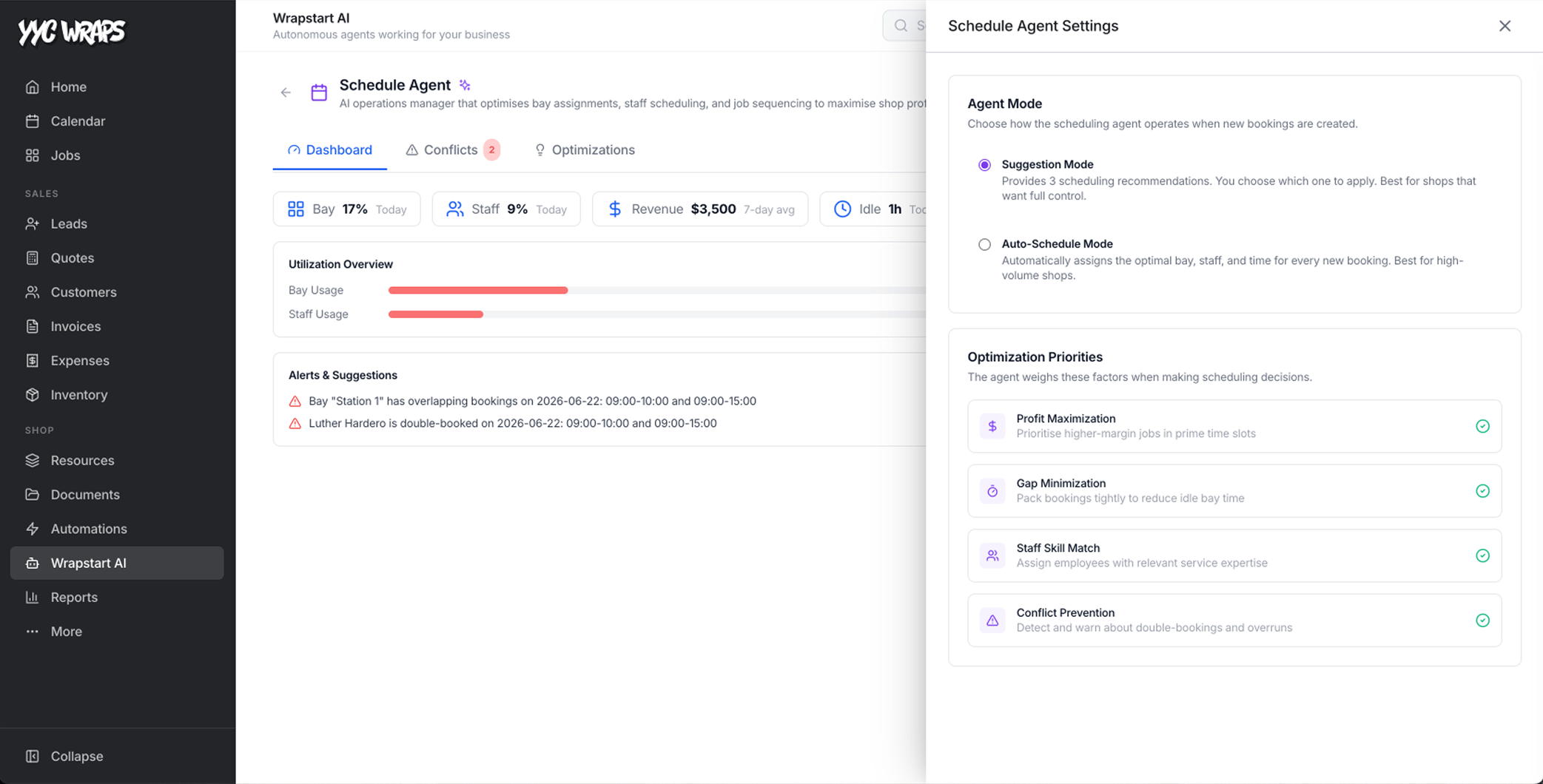
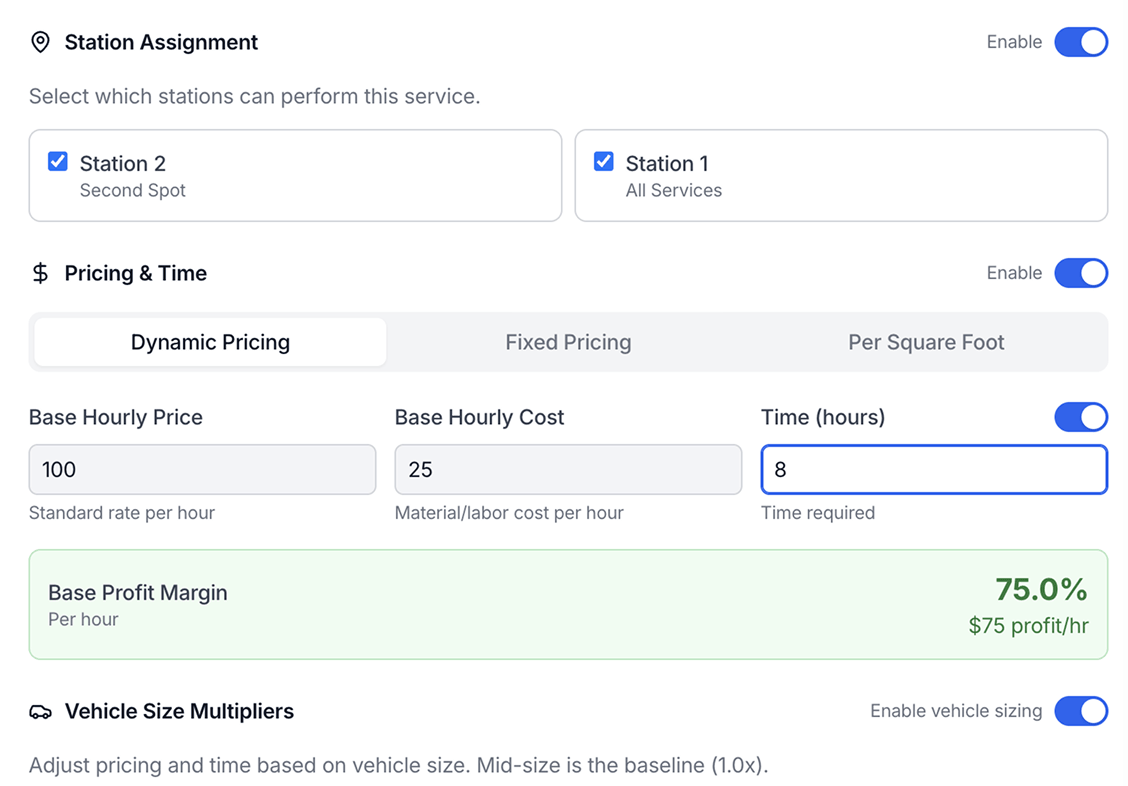
May 2021, in the thick of COVID, I opened my wrap shop and immediately hunted for software to run it. I tried OrbisX, TintWiz and Urable — and nothing worked. Even someone as tech-savvy as me ended up running the shop on a giant wall calendar and a wall of Post-it notes. So I started building my own — with real engineers and thousands of hours of design.
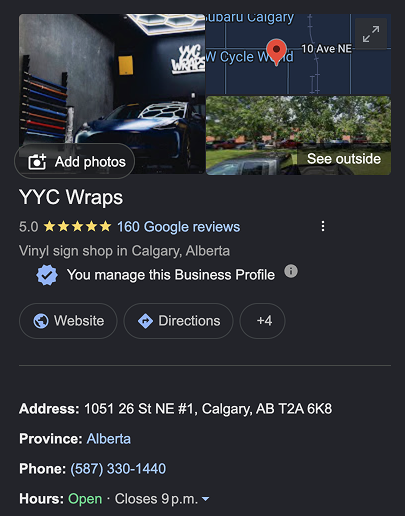
YYC Wraps Google Business Profile — 5.0 stars from 160 reviews, vinyl sign shop in Calgary, Alberta
YYC Wraps — my shop in Calgary, and Wrapstart's first customer.
First sketchesOct 2021

I started the preliminary design and architecture.

By October 2021 I was deep into the foundations — preliminary design concepts and the logic structures and information architecture behind Wrapstart. Mapping how a real shop's data should connect, long before a single screen was final.

The big swingDec 2023

I bet a quarter-million on an indoor tennis center.

In December 2023 I left my corporate job for good — and have been all-in on my business, YYC Wraps, and the development of Wrapstart full-time ever since. That same month I made my first big swing: an indoor tennis facility, YYC Tennis Center — something no one in north Calgary had done. I put a quarter-million dollars of my own money in and spent nearly eight months on it. The marketing and demand were a huge success, but a landlord issue outside my control collapsed the deal in May 2024. I learned more from that one than from any win.
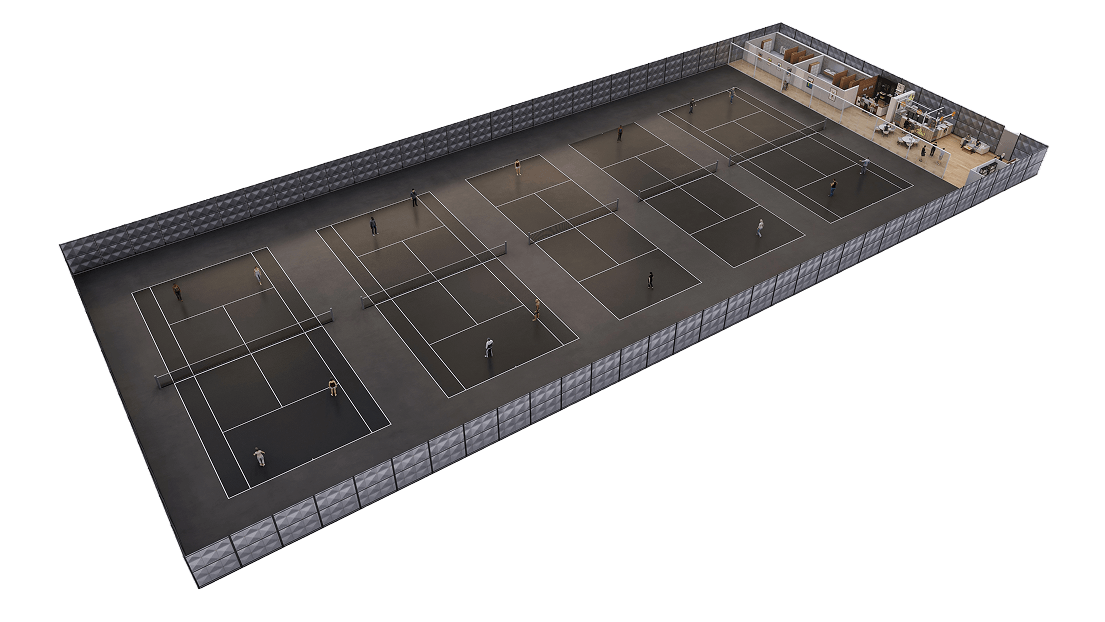
Architectural render of YYC Tennis Center — five indoor tennis courts with a pro shop and reception area
YYC Tennis Center — the facility I designed for north Calgary.
On the streetsApr 2025

We led the Teenage Mutant Ninja Turtles through downtown Calgary.

In April 2025 YYC Wraps was featured in the Calgary Expo's Parade of Wonders — our custom-wrapped Hummer EV carrying the Teenage Mutant Ninja Turtles cast down the streets of downtown Calgary in front of tens of thousands of people.
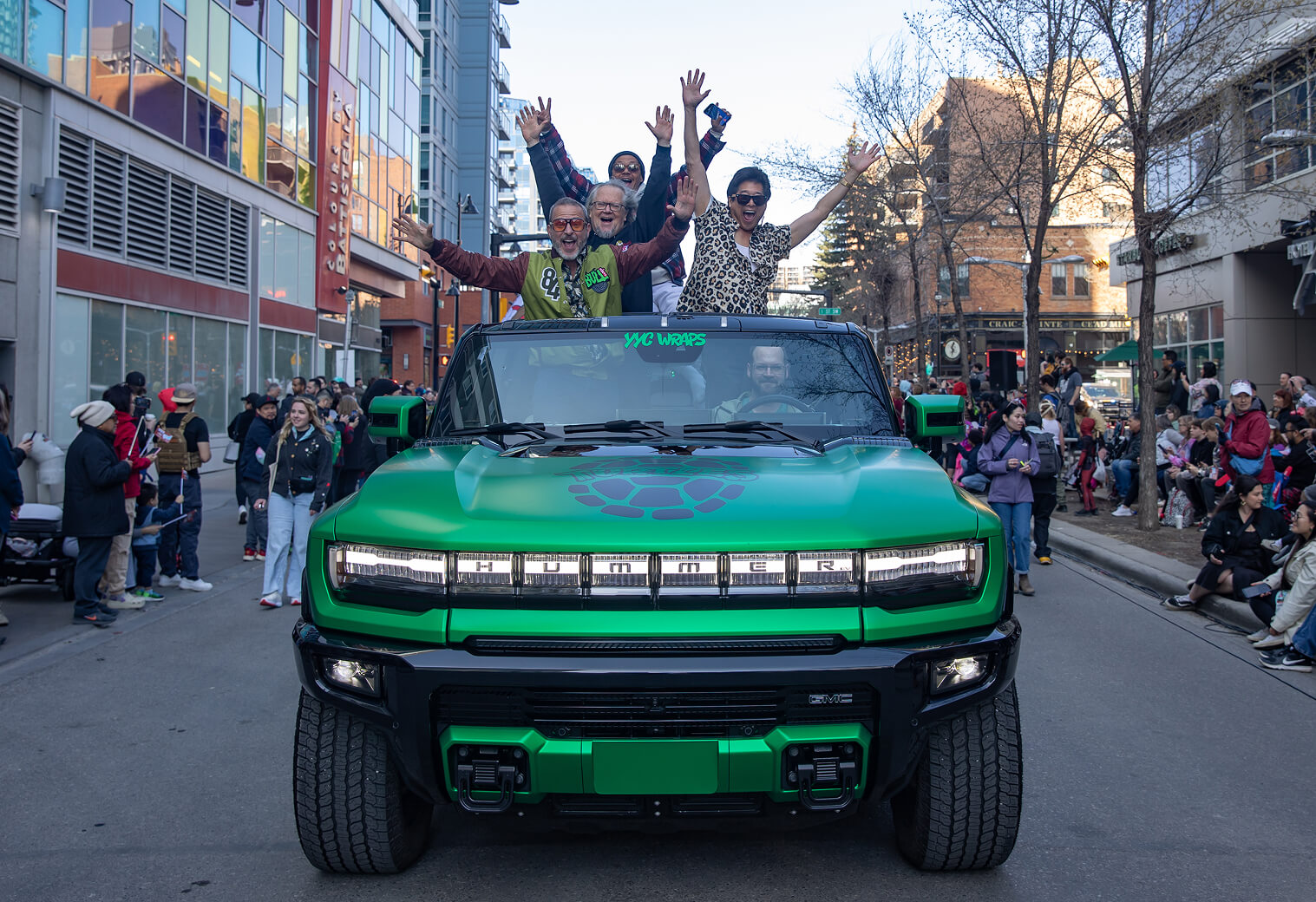
The green YYC Wraps Hummer EV carrying the Teenage Mutant Ninja Turtles cast down a packed downtown Calgary street during the Calgary Expo Parade of Wonders
YYC Wraps in the Calgary Expo Parade of Wonders, April 2025.
The refactorDec 2025

I refactored the business — and ran it leaner than ever.

By December 2025 I restructured everything: I streamlined the team and took the work back on myself, kept my full-time role, and pushed Wrapstart further than ever. Completely overworked, doing every job — but I knew the problem was never the work. It was the system around it.

The launchMar 2026

I turned on Wrapstart — in my own shop.

In March 2026 I flipped the switch and put YYC Wraps on Wrapstart, 100%. I became my own first customer: every lead, quote, booking and follow-up now flowing through one connected, data-first system instead of a tangle of disconnected tools. And the rest is history.

TodayNow

The same shop — having its best months ever.

Then, in late February 2026, I put my own shop on Wrapstart — and the climb started right away. From a typical $14K month, revenue took off as the business ran on one connected, data-first system:

Before$14K
Feb 2026$32K
Mar 2026$75K
Apr 2026$78K
May 2026 · on track$80K

And here's the part that matters: nothing else changed.

My timeEffortLaborOur staffOur teamMarketing effortsMarketing budget

No new data. No new ads. No bigger budget. As of late February 2026, the only change I made was adopting Wrapstart into my shop's daily operations.

— Conversions since launch

The same shop. The same me. Triple the conversions.

I didn't add staff or spend more on ads to get here. I gave my business a system where everything connects — and let AI handle the work that was quietly costing me customers.

Proof you can visit

This isn't theoretical. It's my shop.

YYC Wraps — five years, 700+ customers, and growing.

I opened YYC Wraps during COVID in May 2021 and have grown it deliberately every year since — now over 700 customers strong, and recently expanded into a larger 3,000 sq ft bay in Calgary, with a website I'm genuinely proud of.

We do vinyl wrap, window tinting, ceramic coating, detailing, and just about every kind of cosmetic aftermarket work on vehicles — and we've even taken our wrap craft indoors, doing kitchen cabinet wraps and other interior work.

EstablishedMay 2021
Customers served700+
LocationCalgary, AB
Facility3,000 sq ft bay
Vinyl wrapWindow tintCeramic coatingDetailingInterior cabinet wraps
Visit yycwraps.com ↗
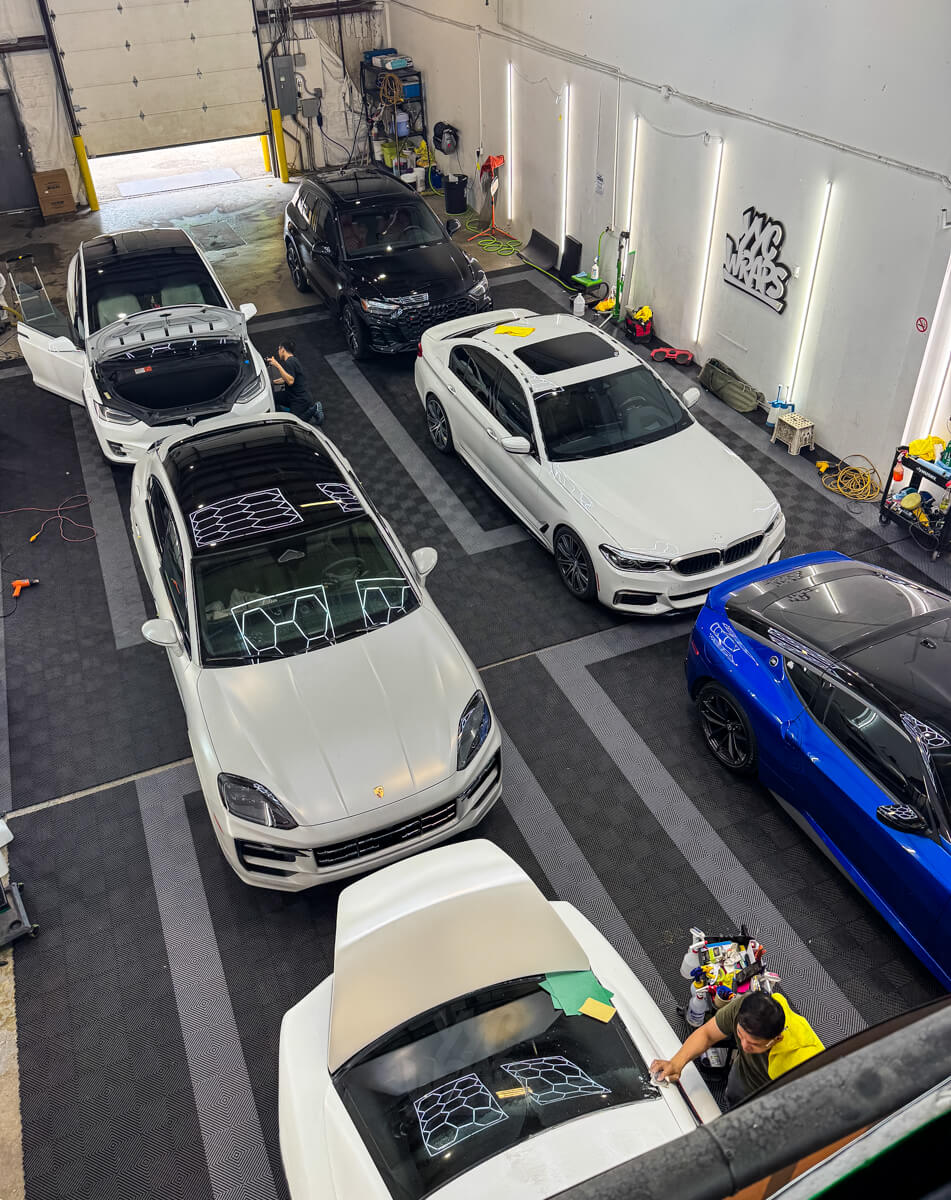
The YYC Wraps shop floor in Calgary — vehicles in for wrap, tint, PPF and ceramic YYC Wraps logo
[ Warning · Read this before you buy anything ]

We need to talk about AI slop software.

AI slop is to the software industry exactly what the “I can do it cheaper” garage wrapper is to yours. You've watched inexperienced wrappers burn customers, drag down the market, and quietly damage real businesses — this software is the same story. Thrown together over a weekend on no-code AI tools by someone who has never wrapped a car or shipped real software in their life.

It's built by non-technical people with no training, no exposure, no real experience — no time inside an actual product team with real stakeholders, real engineers, real designers, real researchers. There's no understanding of the software space, and none of the respect that's only ever earned the hard way.

They've never fought their way through years and years of real development cycles — the countless iterations and revisions, the user tests, the research calls, the low-, mid- and high-fidelity design work, the C-suite curveballs that send you straight back to the drawing board. Real product builders have lived every bit of it.

I've been there — for fifteen years.

An honest offer

Look — I'd rather you run your shop on Wrapstart. But if you decide it isn't for you, then at least stick with OrbisX or Urable. They're established companies with a real track record. Whatever you choose, never hand your business to an AI app some realtor built last weekend.

On AI, honestly

AI isn't the problem — who's holding it is. In the right hands it's a phenomenal way to build, and Wrapstart uses AI throughout its own development to move faster and ship more — guided by someone with deep experience building real applications and doing real customer research, not someone who prompted their way to an app and now wants to run millions of dollars of your business through it. We'd rather be transparent than pretend AI wasn't involved.

Know who you're trusting

Your livelihood is not a weekend experiment.

Your shop's data, your customers, and your income are on the line. Ask who is actually behind the tool — and what happens to everything you've built the moment they lose interest.

The weekend AI crowd

  • Spun up on a no-code AI tool in a weekend
  • Built by people who've never run a shop
  • No track record shipping real production software
  • Your data on an untested multi-tenant app
  • Here to flip a trend, then vanish

Wrapstart

  • 15 years building real enterprise software
  • 5 years running an actual wrap shop
  • Production-grade, data-first architecture
  • Battle-tested on my own business first
  • Built to last — my own shop depends on it