How it actually happened.
My first sales job — selling phones on commission.
In 2007 I took my first real job selling cell phones, paid hourly plus commission. I did it until 2009, when I started university — and I never stopped selling: cars for Mazda, watches for Fossil, tailored suits and Lucky Brand jeans along the way. Years on the floor reading people and closing deals taught me the product is only half of it — the relationship is the rest.
I opened my own web design agency — and sold it in 2020.
I went door to door selling websites, teaching myself HTML, CSS and JavaScript — plus marketing and SEO — entirely on my own, through courses and mentors I sought out myself. Everything I was learning in school and in my sales jobs, I applied straight to my own business. I ran the agency for nearly a decade and sold it in 2020, working retail the whole way through school. Alongside it I broke into enterprise software, shipping for Walmart, ATCO, Securitas, Canadian Pacific Railway, two governments and more.
I learned to ride — and my corporate career began.
In June 2014 I learned to ride a motorcycle. That same year my journey through corporate software environments began — the start of more than a decade building production software in real teams.
I opened my own bracelet store in San Jose.
A storefront in San Jose, CA, where I sold bracelets while still running my web and SEO work and holding down my enterprise jobs remotely. Managing inventory, customers and a physical shop day to day taught me what running a retail business really takes.
I bought a Tesla Model 3 — and wrapped it myself.
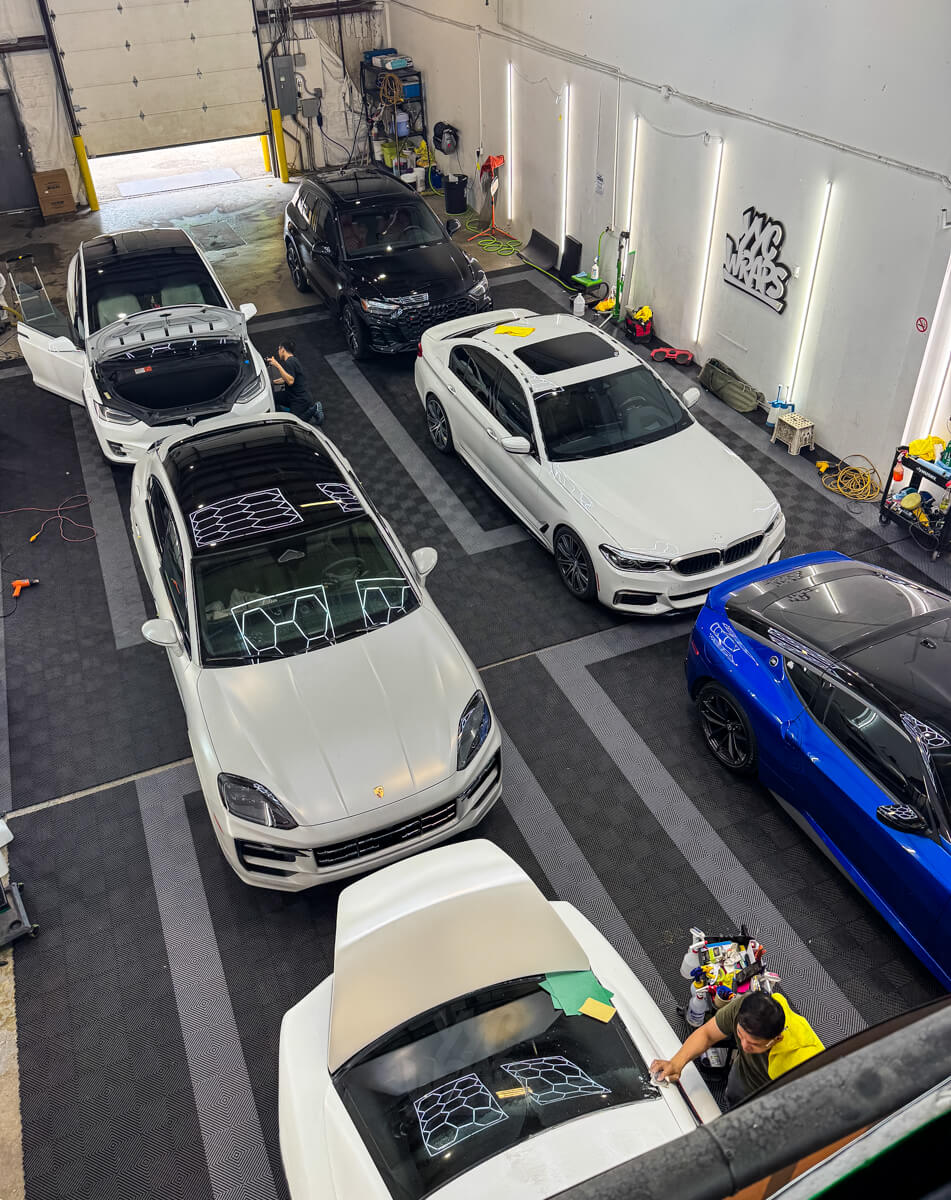
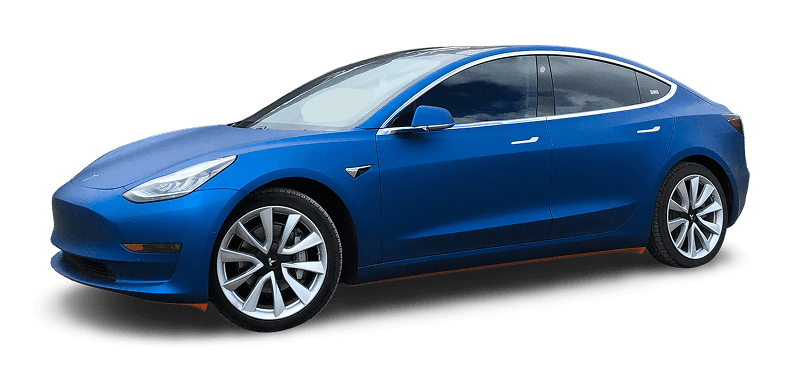
In November 2019 I bought a Tesla Model 3 and wrapped it by hand in my own garage, with my mother's help, in between Zoom calls for my corporate job. That was the moment the wrap world got its hooks in me.
I opened YYC Wraps — and went looking for software.
May 2021, in the thick of COVID, I opened my wrap shop and immediately hunted for software to run it. I tried OrbisX, TintWiz and Urable — and nothing worked. Even someone as tech-savvy as me ended up running the shop on a giant wall calendar and a wall of Post-it notes. So I started building my own — with real engineers and thousands of hours of design.
Went hunting for shop software — not one of them fit.
I gave every option a real shot in my own shop. Here's everything that existed for a business like mine — and why none of it worked.
A usability and accessibility nightmare. Everything crammed into modal after modal — genuinely painful to anyone who's spent a career in software design.
Endless features, but no clear structure or flow to any of it. So complex it borders on paralysis — and to this day, it's still the same.
A simpler interface, I'll give it that. But it simply didn't do the things my shop actually needed it to do.
I started the preliminary design and architecture.
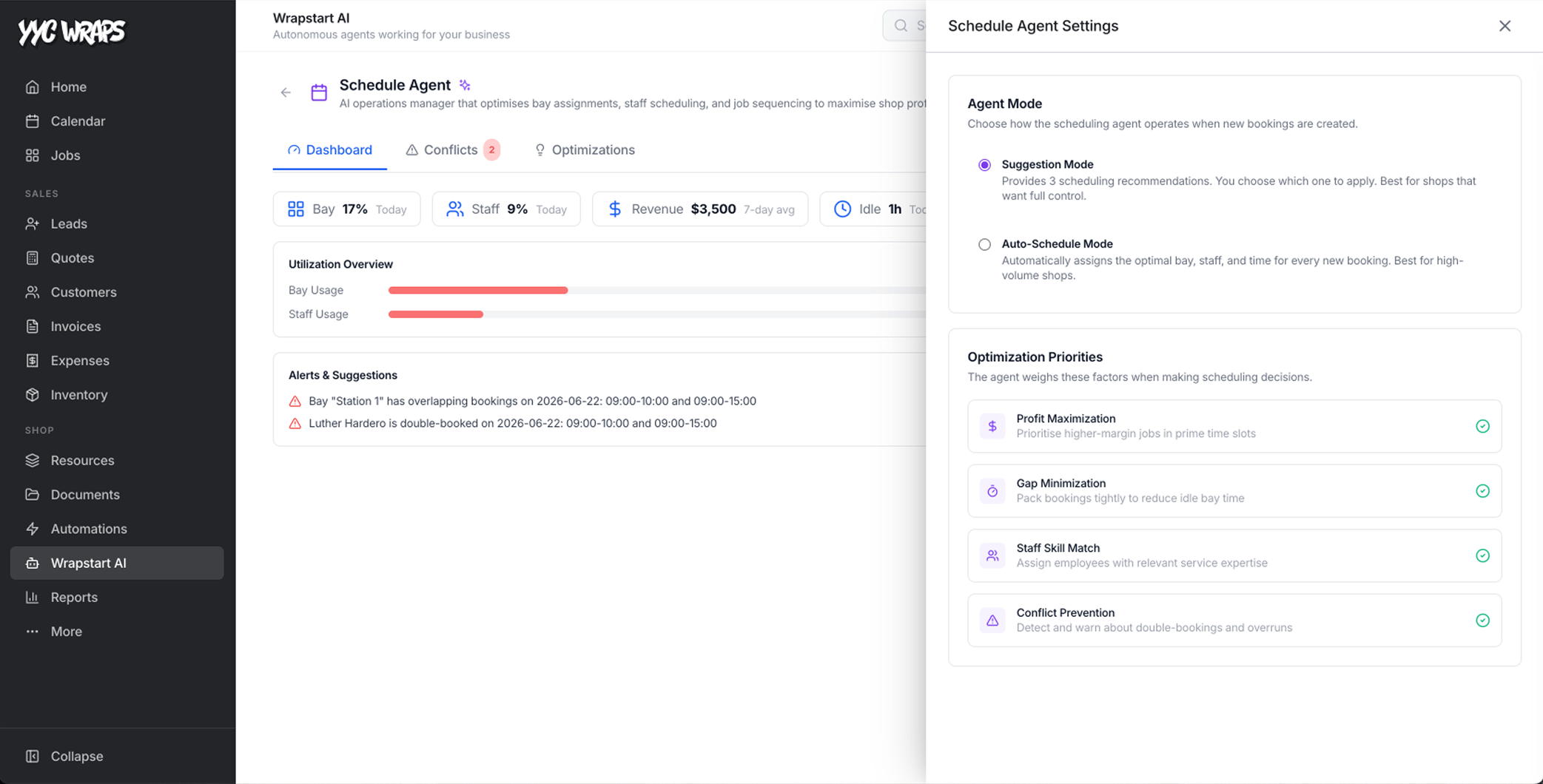
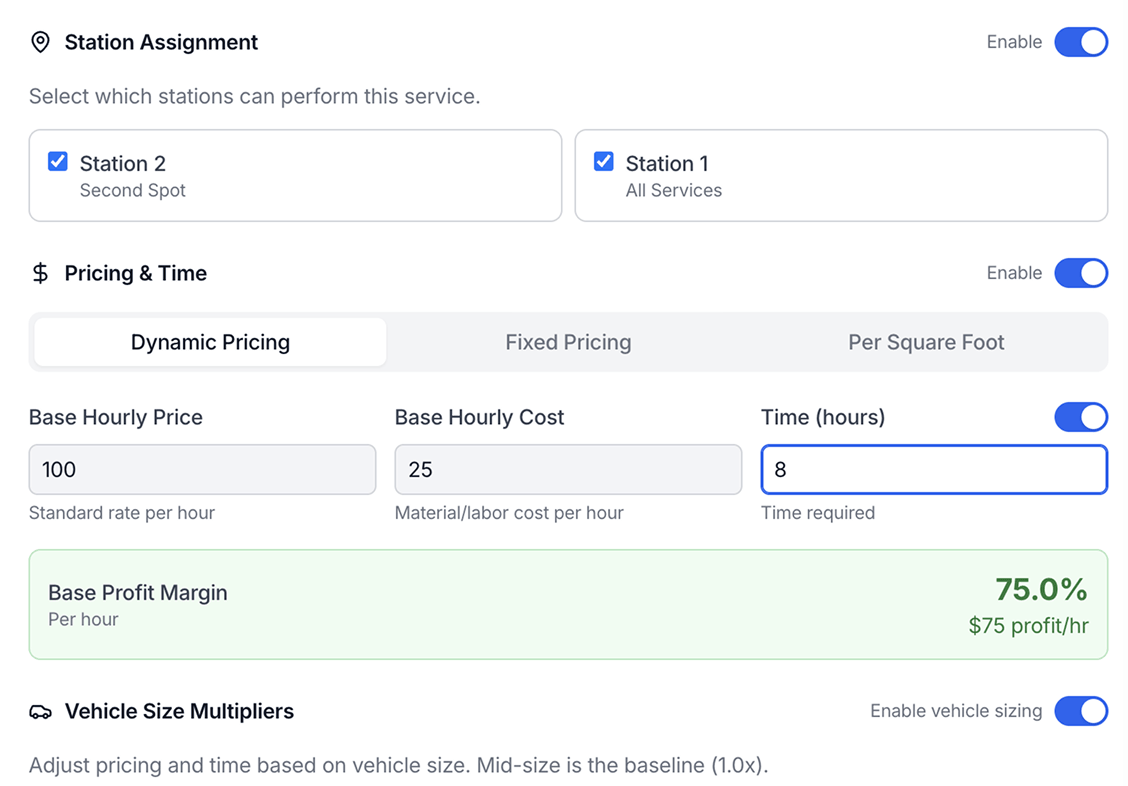
By October 2021 I was deep into the foundations — preliminary design concepts and the logic structures and information architecture behind Wrapstart. Mapping how a real shop's data should connect, long before a single screen was final.
I bet a quarter-million on an indoor tennis center.
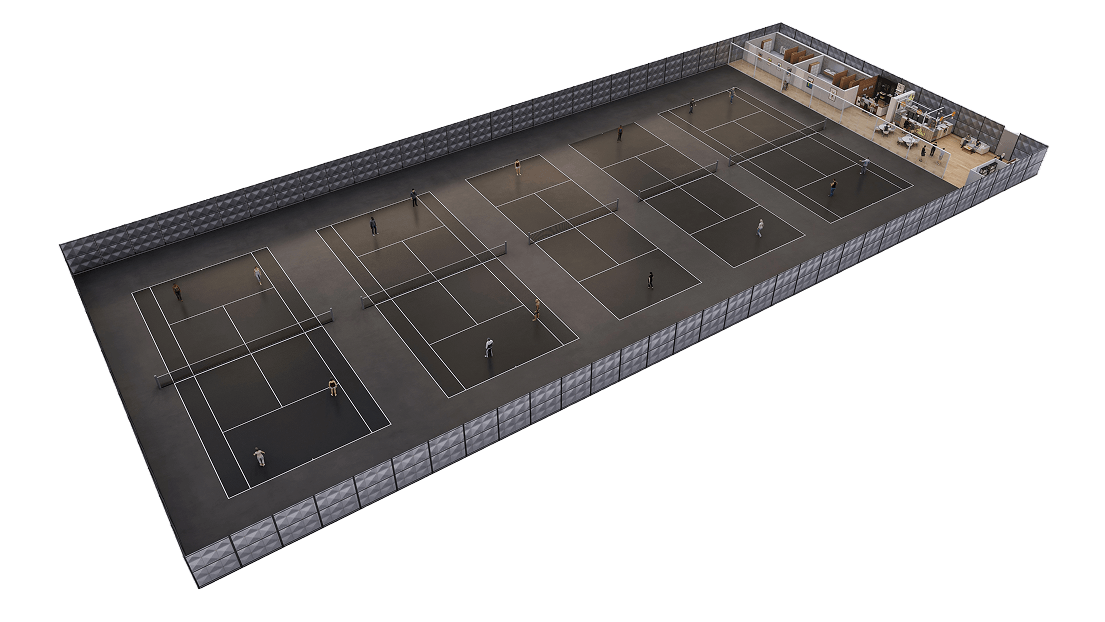
In December 2023 I left my corporate job for good — and have been all-in on my business, YYC Wraps, and the development of Wrapstart full-time ever since. That same month I made my first big swing: an indoor tennis facility, YYC Tennis Center — something no one in north Calgary had done. I put a quarter-million dollars of my own money in and spent nearly eight months on it. The marketing and demand were a huge success, but a landlord issue outside my control collapsed the deal in May 2024. I learned more from that one than from any win.
We led the Teenage Mutant Ninja Turtles through downtown Calgary.
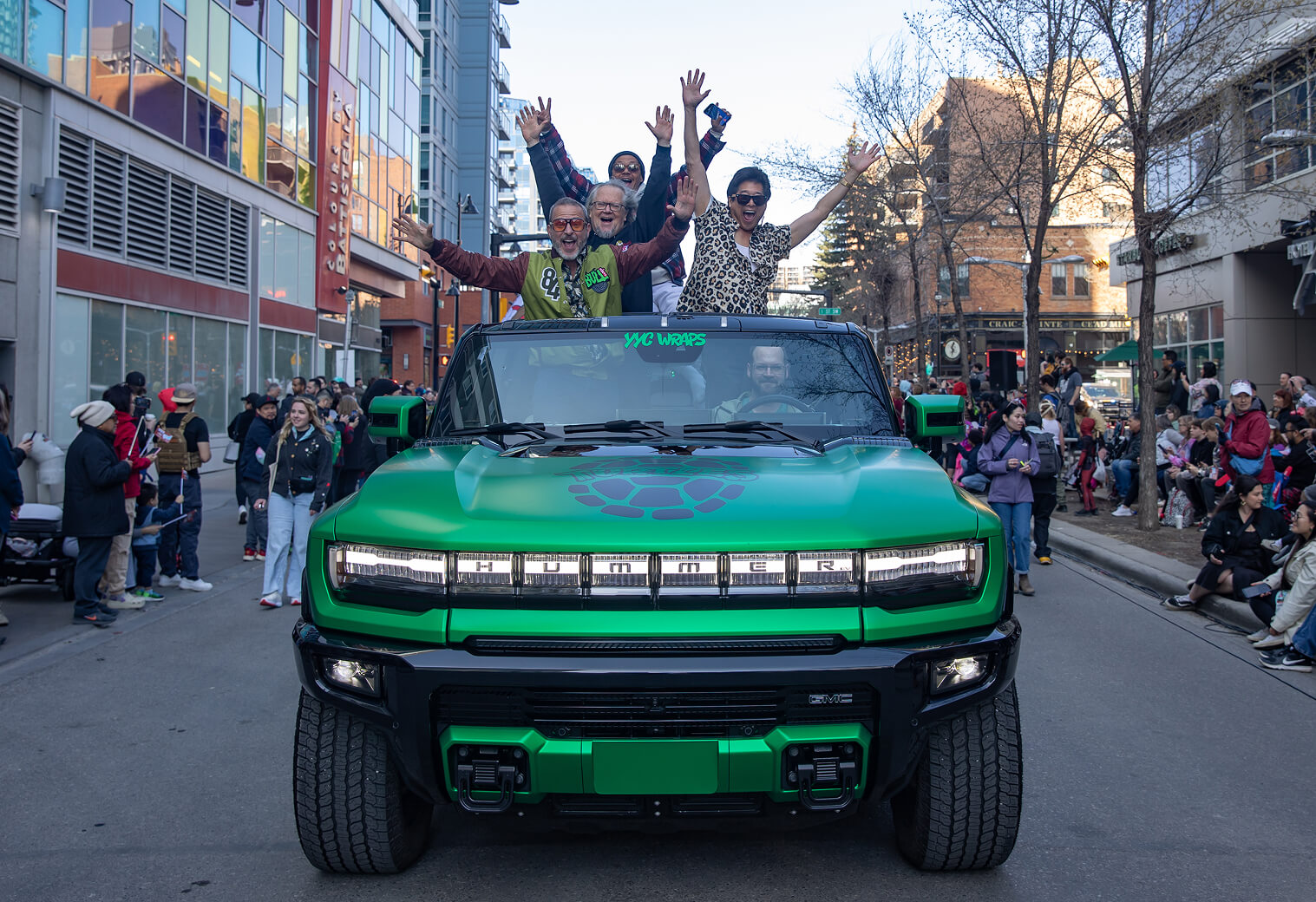
In April 2025 YYC Wraps was featured in the Calgary Expo's Parade of Wonders — our custom-wrapped Hummer EV carrying the Teenage Mutant Ninja Turtles cast down the streets of downtown Calgary in front of tens of thousands of people.
I refactored the business — and ran it leaner than ever.
By December 2025 I restructured everything: I streamlined the team and took the work back on myself, kept my full-time role, and pushed Wrapstart further than ever. Completely overworked, doing every job — but I knew the problem was never the work. It was the system around it.
I turned on Wrapstart — in my own shop.
In March 2026 I flipped the switch and put YYC Wraps on Wrapstart, 100%. I became my own first customer: every lead, quote, booking and follow-up now flowing through one connected, data-first system instead of a tangle of disconnected tools. And the rest is history.

The same shop — having its best months ever.
Then, in late February 2026, I put my own shop on Wrapstart — and the climb started right away. From a typical $14K month, revenue took off as the business ran on one connected, data-first system:
And here's the part that matters: nothing else changed.
No new data. No new ads. No bigger budget. As of late February 2026, the only change I made was adopting Wrapstart into my shop's daily operations.
Wrapstart is now running shops across Canada, the US and the UK.
What started as the system for one shop in Calgary is now the system behind wrap, PPF, tint and detail shops in Canada, the United States and the United Kingdom. Different markets, same problem — and the same fix.